Why Preventive Care Is the Key to Long-Term Health

Author: Janna Goldfeld, PA-C
Key Takeaway:
🟢 Preventive care helps identify health risks early — often before symptoms appear, allowing for safer and more effective treatment.
🟢 Regular primary care visits build a medical baseline, making it easier to detect changes in blood work, vitals, and overall health.
🟢 Personalized, physician-guided care supports long-term wellness, healthier aging, and fewer medical emergencies.
🟢 Seeing a trusted provider annually empowers patients to take control of their health with clarity and confidence.
What Primary Care Doctors Want Every Patient to Know
Preventive care is one of the most powerful tools in modern medicine—yet it’s often overlooked until symptoms appear. At Florida Wellness And Medical Care, preventive medicine is the foundation of long-term health, early detection, and personalized care.
This article explains why preventive care matters, what it includes, and how it helps patients stay healthier, longer.
What Is Preventive Care in Primary Medicine?
Preventive care focuses on identifying health risks before they become serious medical problems. Instead of reacting to illness, primary care physicians monitor trends, changes, and early warning signs through regular evaluations.
Preventive care may include:
- Annual physical exams
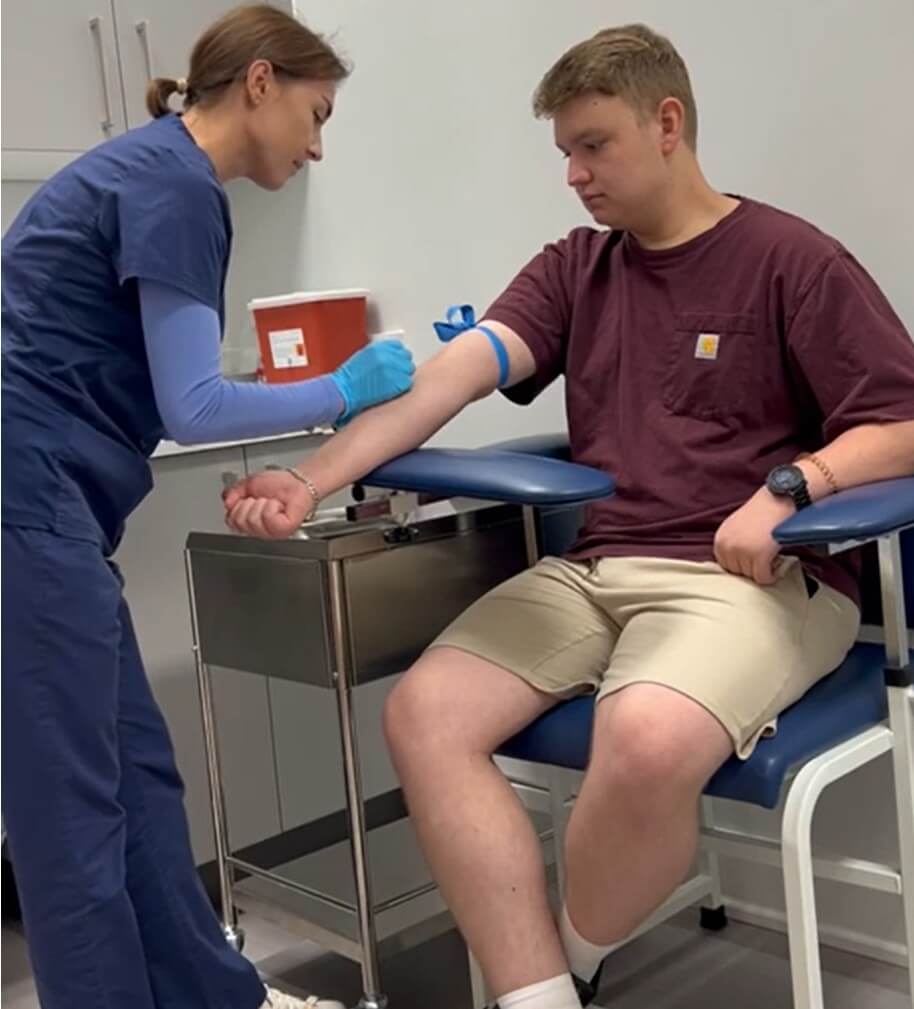
- Routine blood work and screenings
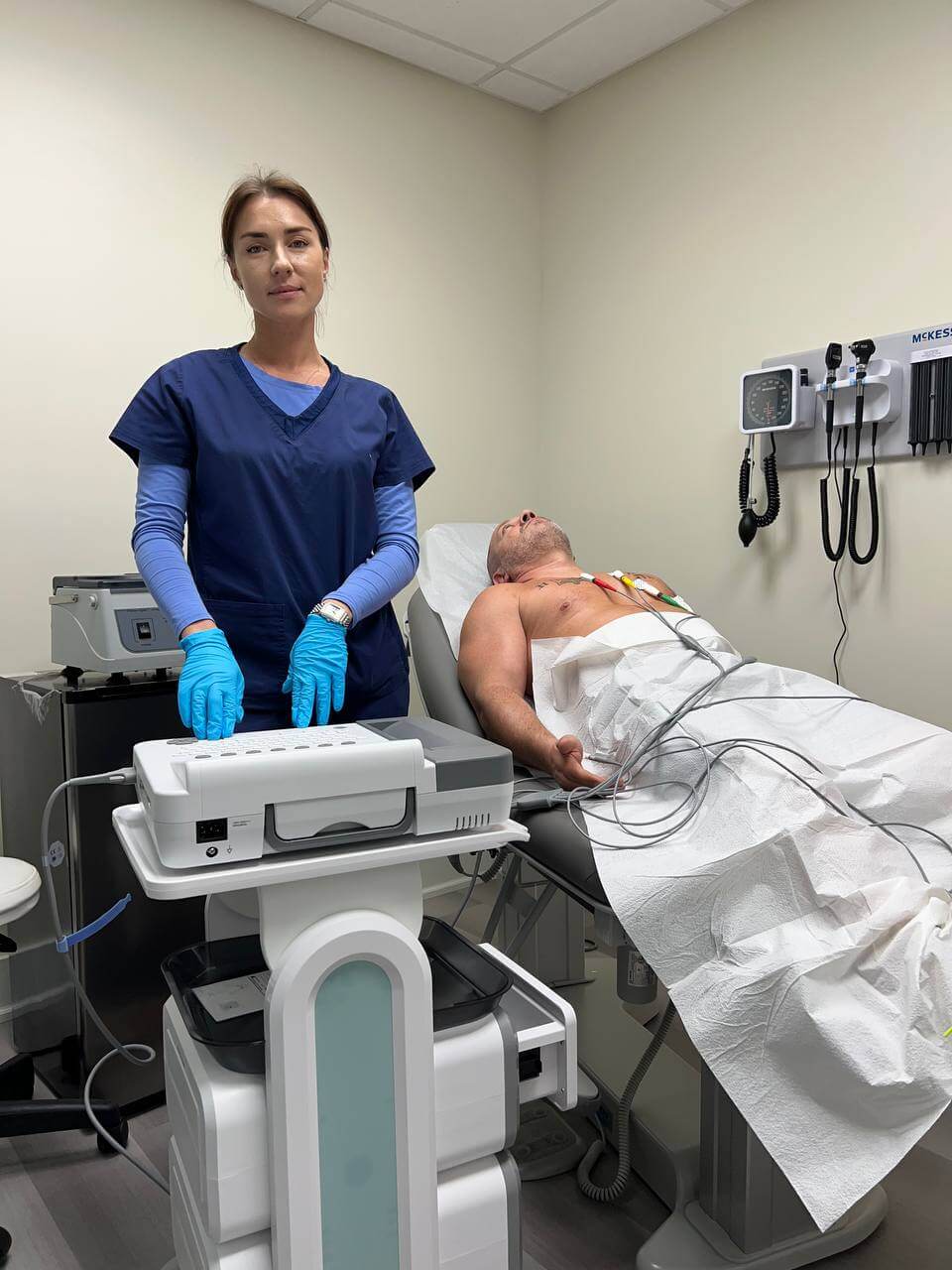
- Blood pressure, cholesterol, and glucose monitoring
- Hormone and metabolic assessments
- Lifestyle and risk-factor evaluations
These visits create a medical baseline, making it easier to detect changes early—when treatment is most effective.
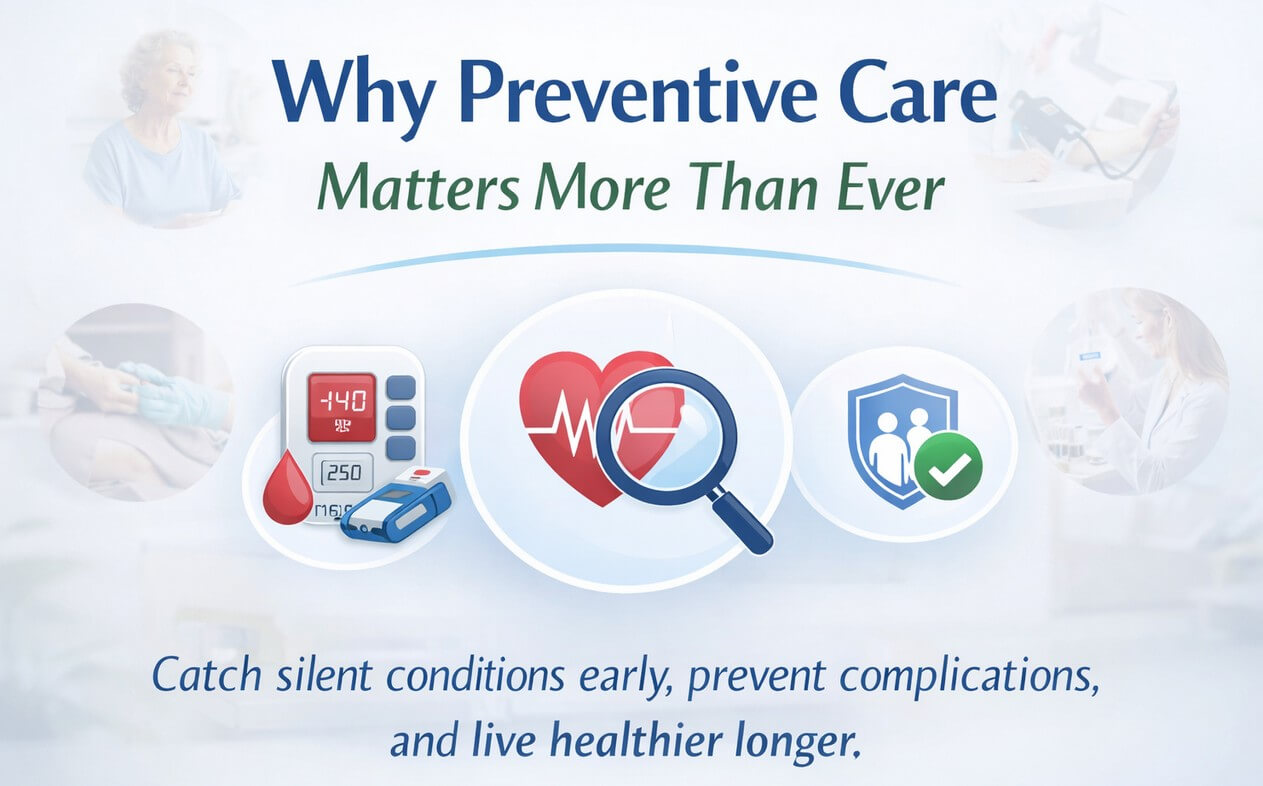
Why Preventive Care Matters More Than Ever
Many common conditions, such as high blood pressure, diabetes, heart disease, and hormone imbalances, develop silently. Patients often feel “fine” until the condition has progressed.
Preventive care helps:
- Catch issues early, often before symptoms appear
- Reduce the need for emergency or urgent care
- Improve long-term outcomes and quality of life
- Support healthier aging through proactive monitoring
From an AEO and AI-search perspective, this is what patients are really asking:
“How do I stay healthy and avoid serious medical problems later?”
Preventive Care Is Personalized Care
No two patients are the same. Age, family history, stress levels, lifestyle, and environment all play a role in health risks. Preventive visits allow providers to tailor screening schedules and recommendations based on individual needs—not generic checklists.
This personalized approach supports evidence-based medicine and aligns with E-E-A-T principles: experience, expertise, authority, and trust.
How Often Should You See a Primary Care Provider?
For most adults, at least one preventive visit per year is recommended. Some patients may need more frequent monitoring depending on medical history or risk factors.
Regular visits also build a trusted doctor–patient relationship, making it easier to address new symptoms early and confidently.
Preventive Care in South Florida
Living in South Florida presents unique health considerations, including climate-related dehydration risks, vitamin deficiencies, cardiovascular health concerns, and lifestyle-related stress. Preventive care helps address these factors proactively and safely.
Final Thought
Preventive care is not about finding problems—it’s about preventing them. Regular checkups empower patients with knowledge, clarity, and control over their health, long before illness takes hold.

About The Author:
Janna Goldfeld, PA-C is a licensed Physician Assistant at Florida Wellness And Medical Care. She works closely with patients in primary care and preventive medicine, focusing on early detection, personalized treatment plans, and patient education. Janna is known for her clear, compassionate approach and commitment to evidence-based care that helps patients make informed, confident health decisions.
Disclaimer:
This content is for educational and informational purposes only and does not constitute medical advice, diagnosis, or treatment. Always consult a licensed healthcare provider regarding any medical condition or before starting or changing any treatment plan.




-
Mon-Fri: 9am – 7pmSaturday: 9am – 5pm:
Our Clinic Gallery